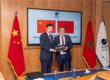
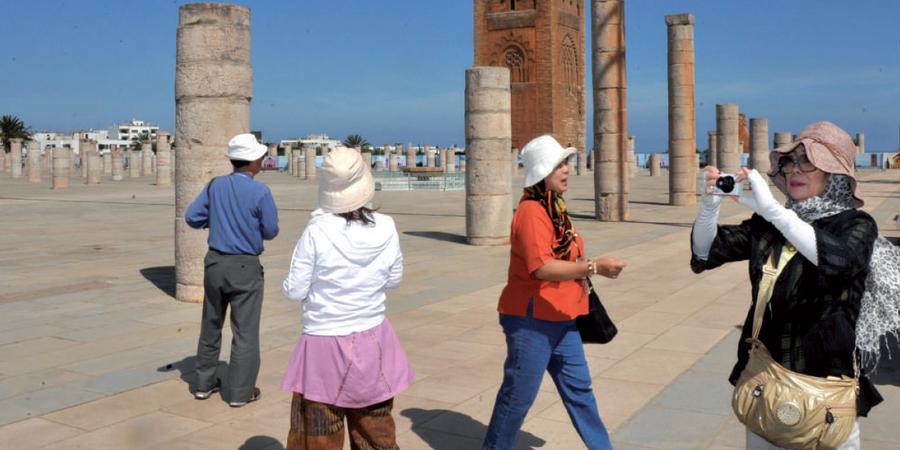
Morocco is taking a new step in its strategy to diversify tourism markets by adopting the international “Welcome Chinese” certification. This initiative aims to align the national tourism offering with the specific expectations of Chinese travelers, who are now among the most numerous and influential in the world. By becoming one of the first countries in the region to embrace this approach, the Kingdom seeks to sustainably strengthen its positioning with a rapidly growing audience.
The only standard officially recognized by the Chinese authorities, “Welcome Chinese” is based on a set of criteria designed to facilitate the reception of visitors from China. It covers communication in the Chinese language as well as the adaptation of services, from catering and payment methods to cultural practices and hospitality standards. The objective is to offer a smooth and reassuring experience, capable of transforming travelers’ curiosity into genuine attachment to the destination.
At the heart of this rollout is Yangjin He, known as Yummy He, a Sino-Moroccan entrepreneur with a distinctive career path. Trained in tourism management at Southwest Jiao Tong University and holder of an MBA from Thailand, she has worked across journalism, project support, and marketing management for high-end hotels. Having been based in Morocco for more than a decade, she has developed an ecosystem of activities ranging from travel agencies to import-export, as well as restaurant and hotel businesses. This dual immersion enables her to accurately decode the expectations of Chinese travelers while fully understanding the realities on the ground in Morocco.
For her, the adoption of “Welcome Chinese” goes beyond a simple label; it represents a cultural and economic bridge. The initiative aims to make Morocco a clear and familiar destination for Chinese visitors by reducing language barriers, facilitating everyday practices, and promoting hospitality aligned with their cultural reference points. In a context of strong recovery in international travel, this approach seeks to position the Kingdom as a credible alternative to destinations already well established in this market.
The certification also offers Moroccan operators privileged access to Chinese promotional networks, notably through the China Tourism Academy and its institutional and media partners. Hotels, restaurants, museums, airlines, cultural platforms, and commercial venues can thus benefit from targeted visibility, directly connected to distribution and information channels in China. At the international level, renowned sites and groups have already joined this program, which has become a recognized mark of trust for travelers.
For Morocco’s tourism sector, the challenge is twofold. On the one hand, it aims to attract a high-potential flow of visitors, known for longer stays and a strong propensity to consume cultural, gastronomic, and shopping experiences. On the other hand, the certification serves as a lever for upgrading the sector, encouraging local players to adapt their services, train their teams, and structure a more inclusive and internationalized offer.
Through “Welcome Chinese,” Morocco thus affirms its ambition to connect directly with one of the most strategic tourism markets of the decade—a move that, beyond immediate returns, is part of a long-term vision to position the destination within the new global tourism landscape.
Source: https://fr.walaw.press/country/can_2025/WQLXMR/articles/tourisme_le_maroc_adopte_%C2%AB_welcome_chinese_%C2%BB_pour_seduire_le_premier_marche_voyageur_au_monde/GQMSFQLRSMWQ